Educational pillar
Real Estate Investing Guide
Real estate investing is the process of buying, owning, financing, improving, renting, or selling property to generate income, appreciation, or both. Good investors combine market context with disciplined deal analysis.
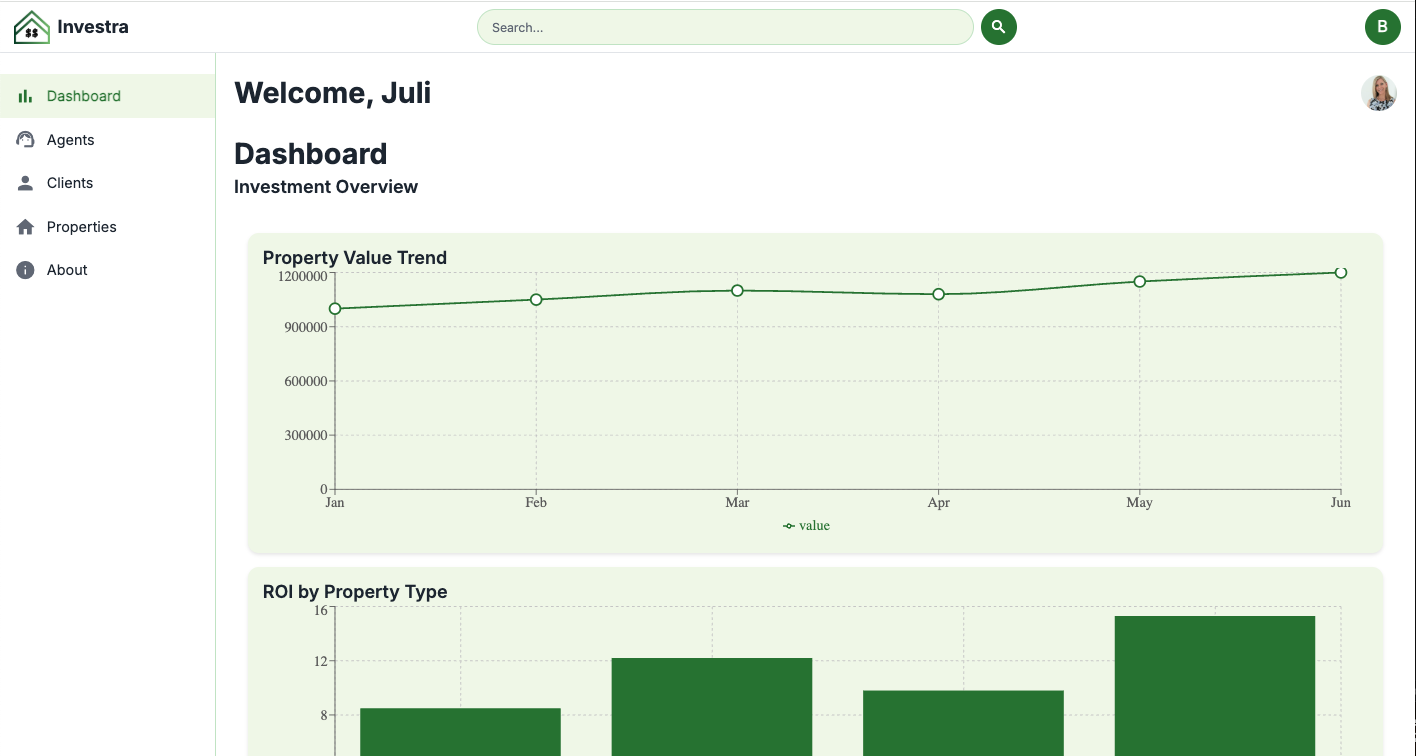
The main ways people invest in real estate
Real estate investors can buy rental properties, short-term rentals, small multifamily buildings, commercial properties, land, or participate through funds and REITs. Each strategy has a different risk profile, time requirement, and return pattern.
Investra focuses on helping users understand property-level opportunities. The core question is whether the numbers, assumptions, and market context support the investment thesis.
The metrics every investor should understand
Cash flow shows the expected money left after income and expenses. Cap rate compares net operating income to purchase price. Cash-on-cash return measures return on invested cash. IRR estimates total annualized return over time. None of these metrics should be read in isolation.
A good analysis explains the assumptions behind each metric, because rent, vacancy, expenses, financing terms, repairs, and appreciation can all change the result.
How to evaluate a property investment
Start with the investor goal. Then evaluate the property, market, rent potential, comparable sales, expenses, financing, downside risks, and exit options. A deal that works for appreciation may not work for cash flow, and a deal that works for one investor may not work for another.
Investra helps organize this process so investors and Realtors can compare properties consistently instead of relying on fragmented spreadsheets and gut feel.
Common mistakes in real estate investing
Common mistakes include overestimating rent, underestimating repairs, ignoring vacancy, using stale comparable data, treating appreciation as guaranteed, and failing to account for financing sensitivity.
The antidote is a repeatable analysis workflow. Every property should be evaluated against clear assumptions and a defined investor objective.
Comparison framework
Use this table to understand where Investra fits in the real estate investing workflow.
| Metric | What it answers | Why it matters |
|---|---|---|
| Cash flow | How much money remains after expenses | Shows income durability |
| Cap rate | How income compares to asset price | Helps compare properties independent of financing |
| Cash-on-cash return | How return compares to cash invested | Reflects financing and down payment |
| IRR | What total annualized return could be | Combines cash flow, appreciation, and exit value |
| Vacancy sensitivity | What happens if rent is interrupted | Shows downside risk |
Frequently asked questions
What is real estate investing?
Real estate investing is buying or controlling property to generate income, appreciation, tax advantages, or a combination of returns.
What metrics matter most in real estate investing?
Cash flow, cap rate, cash-on-cash return, IRR, vacancy, expense assumptions, financing terms, and exit value are core metrics.
How can beginners analyze an investment property?
Beginners should start with rent, expenses, financing, cash flow, comparable sales, market risk, and a clear investment objective.
Turn property search into investor-ready analysis.
Use Investra to analyze deals, explain assumptions, and send clearer recommendations to investor clients. Create an account.